10 min Read

   Types of Packaging Materials for Food: Sustainable Innovations for a Greener Future

Sarvamangalam Impex.

In today’s fast-evolving food industry, packaging is far more than just a means of protection — it’s a powerful tool that bridges sustainability, innovation, and consumer trust. From polymers and metals to fibers and plant-based materials, the world of food packaging materials is vast and dynamic

At Sarvamangalam Impex, we understand how packaging directly influences product safety, shelf life, food quality, and environmental impact. In this exploration, we’ll delve deep into the science behind food packaging materials, discuss their environmental effects, and uncover the latest sustainable trends shaping the future of food packaging

1. Biodegradable Plastics

Unlike traditional plastics made from petroleum, biodegradable plastics are designed to naturally decompose over time. They are often produced from renewable resources like sugarcane or corn starch and have a much lower carbon footprint.

They provide similar durability and protection as conventional plastics — making them ideal for items such as food containers, wraps, and cutlery.

2.  Compostable Packaging

Compostable packaging goes one step beyond biodegradability by breaking down completely into organic matter under composting conditions. Commonly made from PLA, potato starch, or maize starch, these materials are perfect for disposable food packaging like cups, trays, and plates.
Compostable materials not only reduce landfill waste but also help create nutrient-rich compost that supports regenerative agriculture. 

3.  Recycled Paperboard

Recycled paperboard is one of the most popular and versatile eco-friendly food packaging materials. Made from recycled paper fibers, it’s both biodegradable and recyclable.

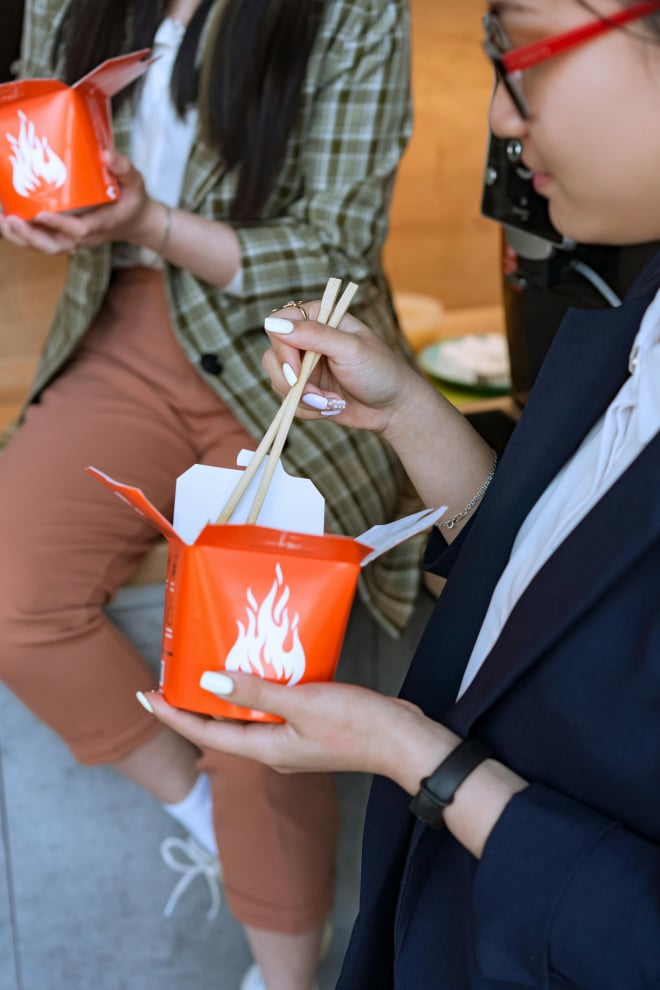
It’s commonly used for snack boxes, cereal packaging, frozen food cartons, and takeaway containers

4.  Mycelium Packaging (Mushroom Packaging)

A groundbreaking innovation, mycelium packaging is crafted from the root structure of mushrooms. It’s molded to fit products of any shape, providing a natural, protective, and completely biodegradable alternative to Styrofoam.

This packaging decomposes within weeks when composted — making it one of the most sustainable materials available today 

5.  Reusable Containers

Reusable food packaging is a major step toward zero-waste systems. Containers made from glass, stainless steel, or durable silicone can be washed and reused multiple times, eliminating single-use packaging waste.

They are ideal for meal prep kits, bulk groceries, and delivery services.

6. Plant-Based Films 

A modern, biodegradable replacement for traditional plastic wrap, plant-based films are made from materials like cellulose, cornstarch, or seaweed extract. These thin, flexible films can be used to wrap sandwiches, produce, or baked goods.

They are compostable, breathable, and food-safe — ideal for maintaining freshness without plastic pollution.