1. Flute Profiles
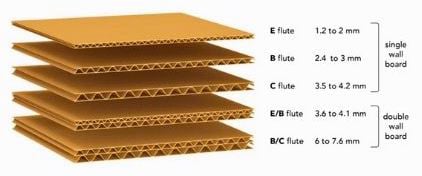
The flute profile is one of the most important factors that determine how strong, rigid, and protective a corrugated box will be. Each flute type serves a specific purpose depending on the packaging requirements.
✅ Large flutes: These have a greater height and spacing between the ridges, which helps provide excellent cushioning and shock absorption. Boxes with large flutes are ideal for packaging heavy or fragile items that need extra protection during shipping, storage, or transportation. They also offer high stacking strength, making them perfect for industrial and bulk packaging applications.
✅ Small flutes: These feature more compact ridges, giving the box a smoother surface and better crush resistance. Small flute profiles are commonly used for retail packaging where print quality, appearance, and precision matter. They offer excellent stability, making them ideal for custom-printed boxes, product displays, and lightweight goods.
2. GSM (Gram per Square Meter)
GSM refers to the weight and thickness of the paper used in manufacturing a corrugated box. It is a key indicator of the paper’s strength, durability, and overall quality. A higher GSM value means the paper is denser and stronger, which directly affects the box’s performance in packaging and transportation.
✅ Better bursting strength: High GSM paper can withstand more pressure before tearing, making it ideal for packaging items that require extra protection during shipping.
✅ Improved durability: A higher GSM provides better resistance against wear, moisture, and external impact, ensuring that the box maintains its shape and integrity even under tough conditions.
✅ Greater load capacity: Corrugated boxes made with high GSM paper can easily handle heavier products, reducing the risk of collapse or damage during stacking and transit.

3. Printing Style
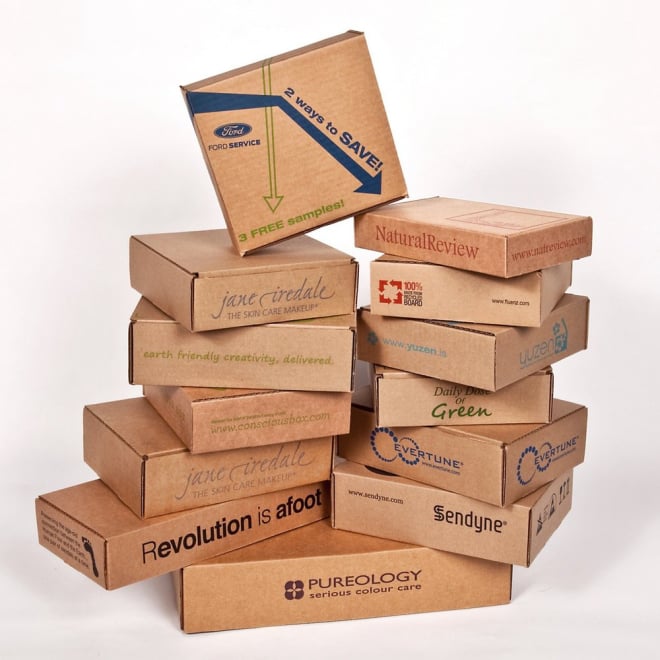
The printing method you choose for your corrugated box plays a major role in how your packaging looks and performs. Depending on whether the box is meant for shipping, branding, or retail display, selecting the right printing technique ensures the perfect balance of visual appeal, cost-effectiveness, and durability.
✅ Digital Printing & Lithography: These high-quality printing methods are ideal for consumer-facing products that require sharp graphics, detailed designs, and vibrant colors. They are perfect for premium packaging, retail displays, and short-run customized boxes where branding and presentation matter most.
✅ Flexographic (Flexo) Printing: A widely used method for shipping and bulk packaging, flexo printing is cost-effective, fast, and efficient for large-scale production. It produces clean, simple designs—ideal for logos, product details, and handling instructions on shipping cartons.
✅ Silkscreen Printing: Known for its ability to produce bold and durable prints, silkscreen printing is best suited for custom, decorative, or promotional boxes. It allows for unique finishes and textures, making it a great choice for limited-edition packaging or branded gift boxes.
4. Dimensions
The dimensions of a corrugated box—its length, width, and height—are fundamental to ensuring that your packaging performs effectively. Accurate measurements help in achieving the right balance between product protection, storage efficiency, and shipping convenience.
✅ Internal Dimensions: These refer to the usable space inside the box and are critical for ensuring your product fits snugly without being crushed or having too much room to move around. Choosing the correct internal dimensions helps maintain product safety, prevents damage, and minimizes the need for excessive void fillers or cushioning materials.
✅ External Dimensions: These measure the outer size of the box and are primarily used for shipping, pallet stacking, and storage planning. Knowing the external dimensions helps optimize space during transportation, ensures compliance with logistics standards, and allows for better warehouse organization.
5. Box Certifications
Most corrugated boxes feature a Box Maker’s Certificate (BMC) printed on the outside bottom flap. This certification mark is an assurance of quality and compliance with industry standards. It provides essential information about the strength, durability, and performance of the box, helping both manufacturers and users ensure it meets specific packaging requirements.
✅ Mullen Bursting Test: This test measures the box’s resistance to external and internal pressure. It determines how much force the walls of the box can withstand before bursting, making it especially important for packaging products that may face rough handling during shipping. Boxes rated with higher Mullen values are ideal for heavy-duty or high-pressure environments.
✅ Edge Crush (Compression) Test: This test assesses the box’s stacking strength—its ability to bear weight when multiple boxes are piled on top of each other. A strong compression rating ensures that the box maintains its shape and protects the contents even during long storage or transportation periods.
Final Thoughts
Choosing the right corrugated box can protect your products, enhance your brand, and streamline shipping.
By considering flute profiles, GSM, printing style, dimensions, and certifications, you can ensure that your packaging is durable, professional, and tailored to your needs.
Invest in custom corrugated boxes from Sarvamangalam Impex and make packaging a strength of your business